
If you need more guidance with resources, exercises or have questions about any of the below information, feel free to reach out – contact me.
There are two key ingredients you need to grow or gain muscle, which translates to gains in strength.
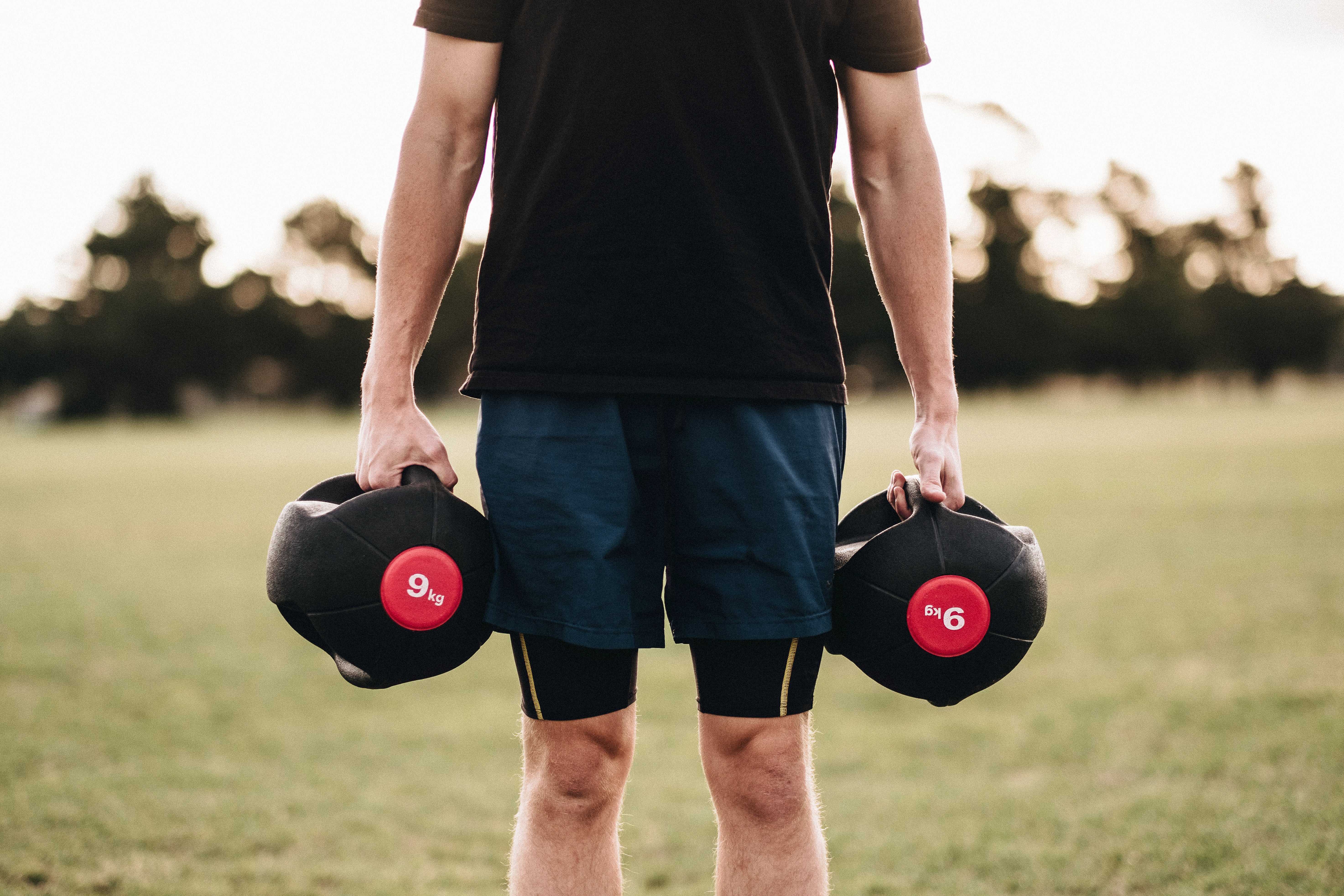
1. Sufficient Load/Strain: The human body is amazing and most of our tissues learn to adapt based upon what they experience. For muscles, placing a load above a certain threshold is what stimulates muscle growth. Research has shown this threshold to be at least 60% of the muscle’s max force for that movement. Studies also indicate that a range of 60-80% of max force or a 1 rep maximum (1RM) is a safe range for stimulating muscle growth without pushing into muscle failure or injury. How does this translate to exercise? Let’s use a biceps curl as an example. If the heaviest weight that you can pick-up and complete one and only one full rep of a biceps curl is 100 pounds, then your 1RM for biceps curls is 100 pounds. If you want to get stronger in your curls and grow your guns, then you need to practice biceps curls with anywhere from 60-80 pound weights. Usually when working at this level of challenge it is too difficult to do 10-12 repetitions in a row. At 60% of 1RM, you’ll be tired between 5 or 6 reps. At 80%, you might get tired between 3-5 reps. You’ll know you’re working hard enough if you feel you could only do 2 more reps more max at the end of a set. This is also known as reps in reserve (RIR). If your RIR is 5 or more, you probably need to add more weight for strength gains. If your RIR is 0, back off a little. You can also use the Rate of Perceived Exertion Scale (RPE) to determine if you’re building strength. RPE is a subjective scale that ranges from 0-10, where 0 is no work/difficulty, you’re sleeping and 10 is max effort/difficulty. To gain strength you want to feel that the effort you are exerting and the difficulty of the task ranges between a 6 and 8 out of 10.
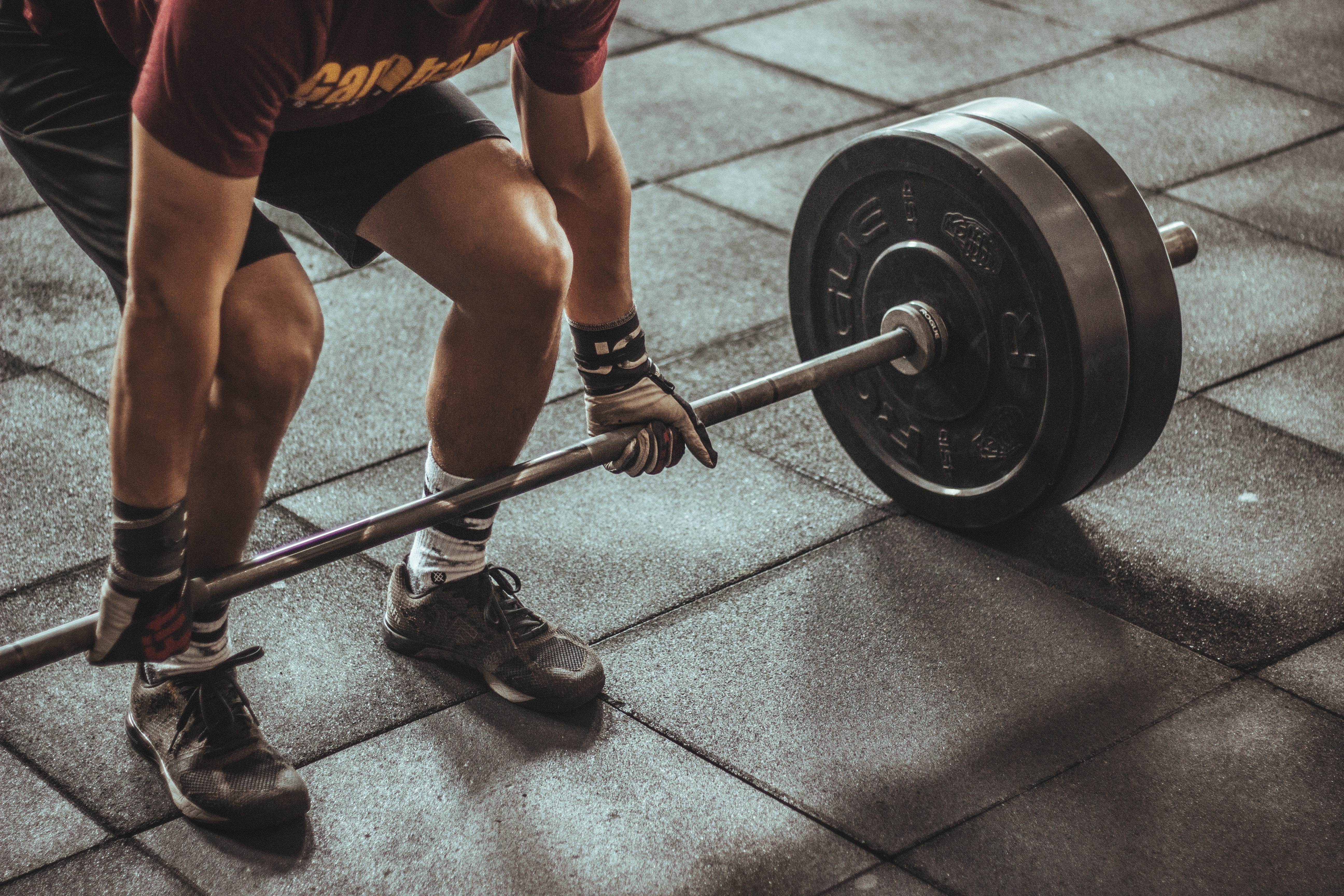
2. Sufficient Fueling: The main building blocks of your muscles areproteins, so in order to gain muscle tissue, your body needs a sufficient supply of the essential ingredients to make new muscle. Proteins are made of amino acids and most amino acids our body can only get from dietary sources, specifically eating protein. For muscle maintenance, meaning just to keep your muscles the same as they are, your body needs 0.8-1.0 grams of protein for every kilogram of body weight. When you are trying to repair or grow muscle, your body’s protein needs are higher, closer to 1.3-1.5 grams of protein for every kilogram of body weight. At the end of the day, what type of protein source you provide your body with doesn’t matter as much as simply getting enough. This is something you might need to pay more close attention to if you don’t consume a lot of animal protein sources. For two to three days, track your dietary protein intake and see if you’re getting enough. If not, consider working with a Registered Dietician for some specific one on one help.
 Embark Physiotherapy
Leave a comment